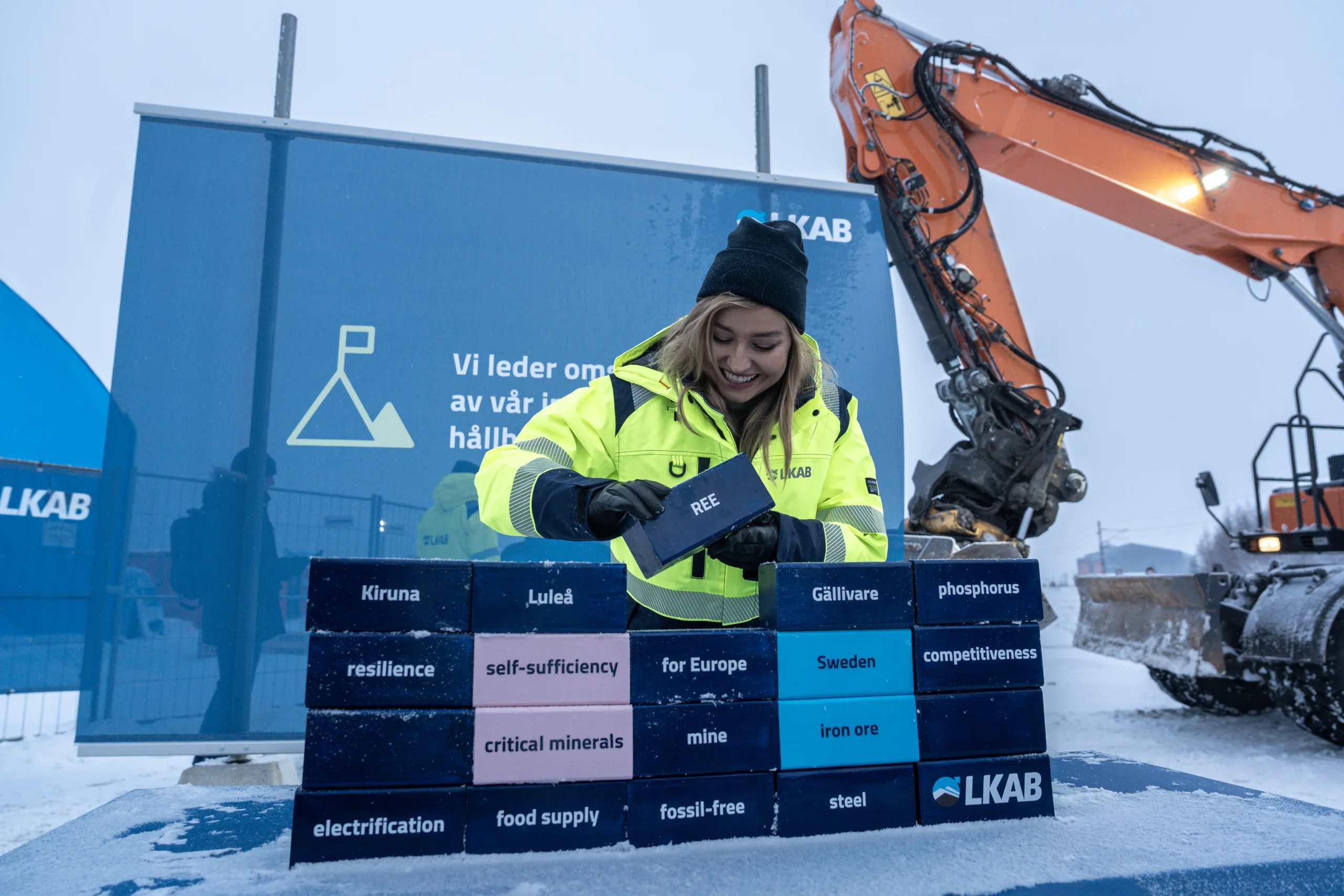
Three of our initiatives have been granted strategic project status under the EU's Critical Raw Materials Act. These include the mine in Malmberget, the industrial park for critical minerals in Luleå, and the new iron ore deposit in Kiruna; projects that are seen as significant in reducing Europe's dependencies and increasing the availability of raw materials critical to the climate transition and security.

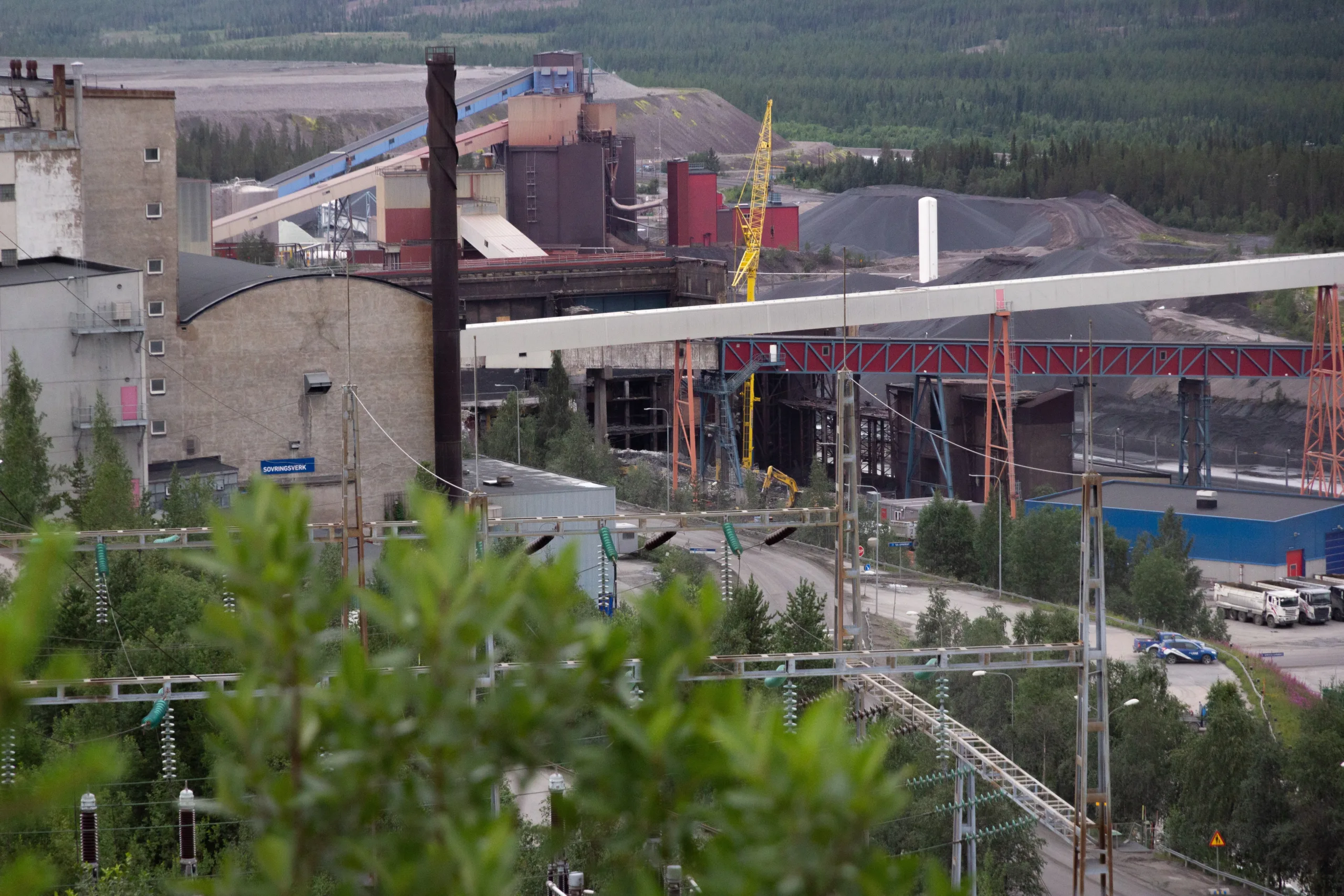
Based on the already existing iron ore mining in the Malmberget mine in Gällivare municipality, LKAB plans to create a new industry for critical raw materials, for reduced strategic dependence and climate transition.
Using developed processes in a future apatite plant, LKAB plans to produce an apatite concentrate from material that is already being mined which is then shipped to Luleå for further processing, for production of both phosphorus and rare earth elements. In this way, iron ore production can contribute to increased self-sufficiency of critical minerals. Currently, approximately 1.9 billion tons of mineral assets have been identified in Malmberget, which means that there are conditions for continued operations for a long time to come.
An environmental permit application is currently underway for existing and expanded operations in Gällivare.
Environmental permit application submitted
Designated as a strategic project according to CRMA

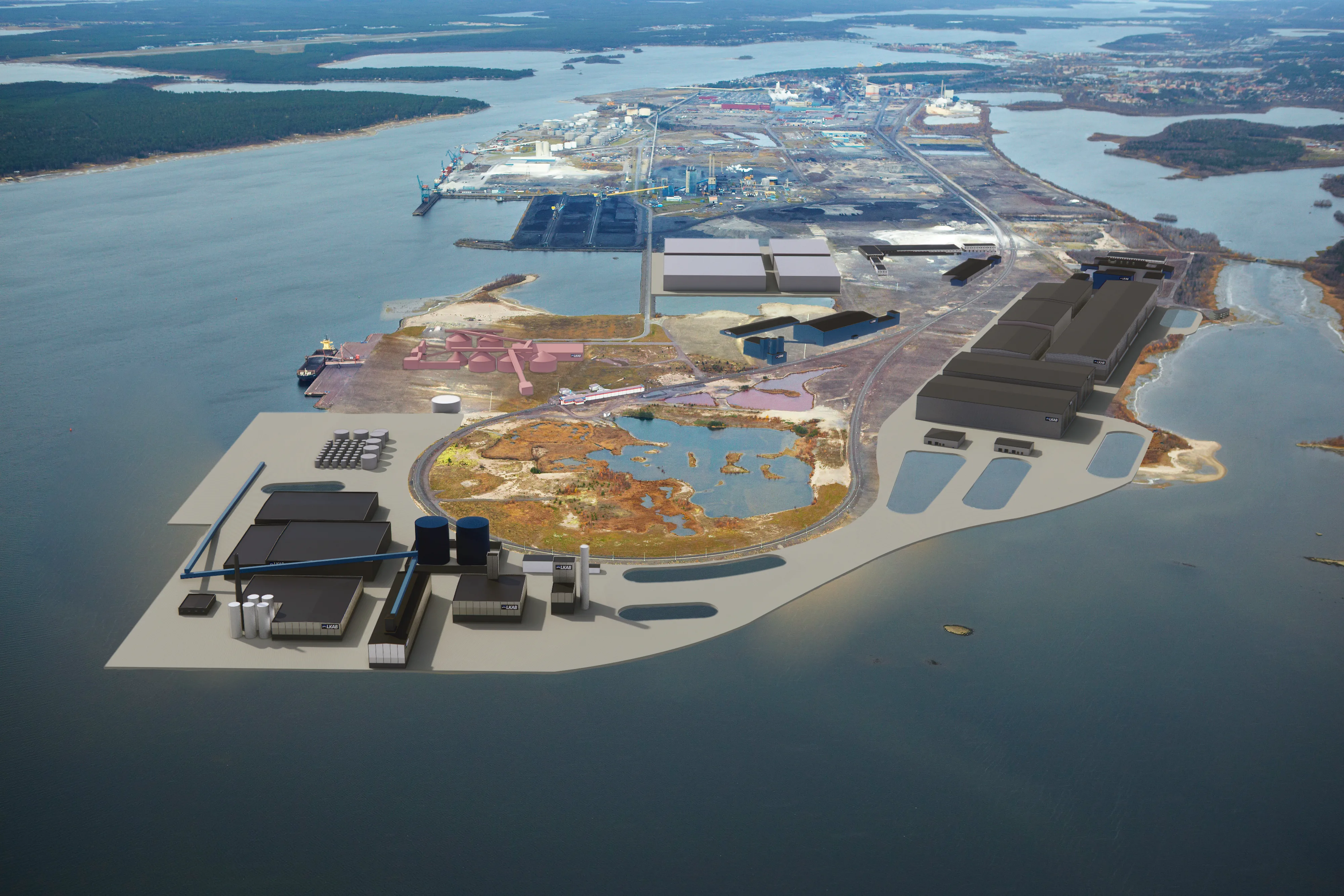
In Luleå, LKAB is planning a circular industrial park for the extraction of phosphorus for mineral fertiliser, crucial for food production, as well as rare earth elements, critical components in all modern technology.
The facility, which will also produce gypsum as a by-product, could become the first of its kind in Europe, and play a major role in increasing Sweden’s and the EU’s self-sufficiency in critical minerals. Construction of a demonstration facility to test and develop the technology for processing phosphorus and rare earth elements began in 2024. Through a gradual scale-up, the operation can then be expanded with more facilities over time, to be fully operational in the 2030s.
Environmental permit application submitted
Investment decision on establishment of research and development center and demonstration facility
Construction starts for demonstration facility
Designated as a strategic project according to CRMA
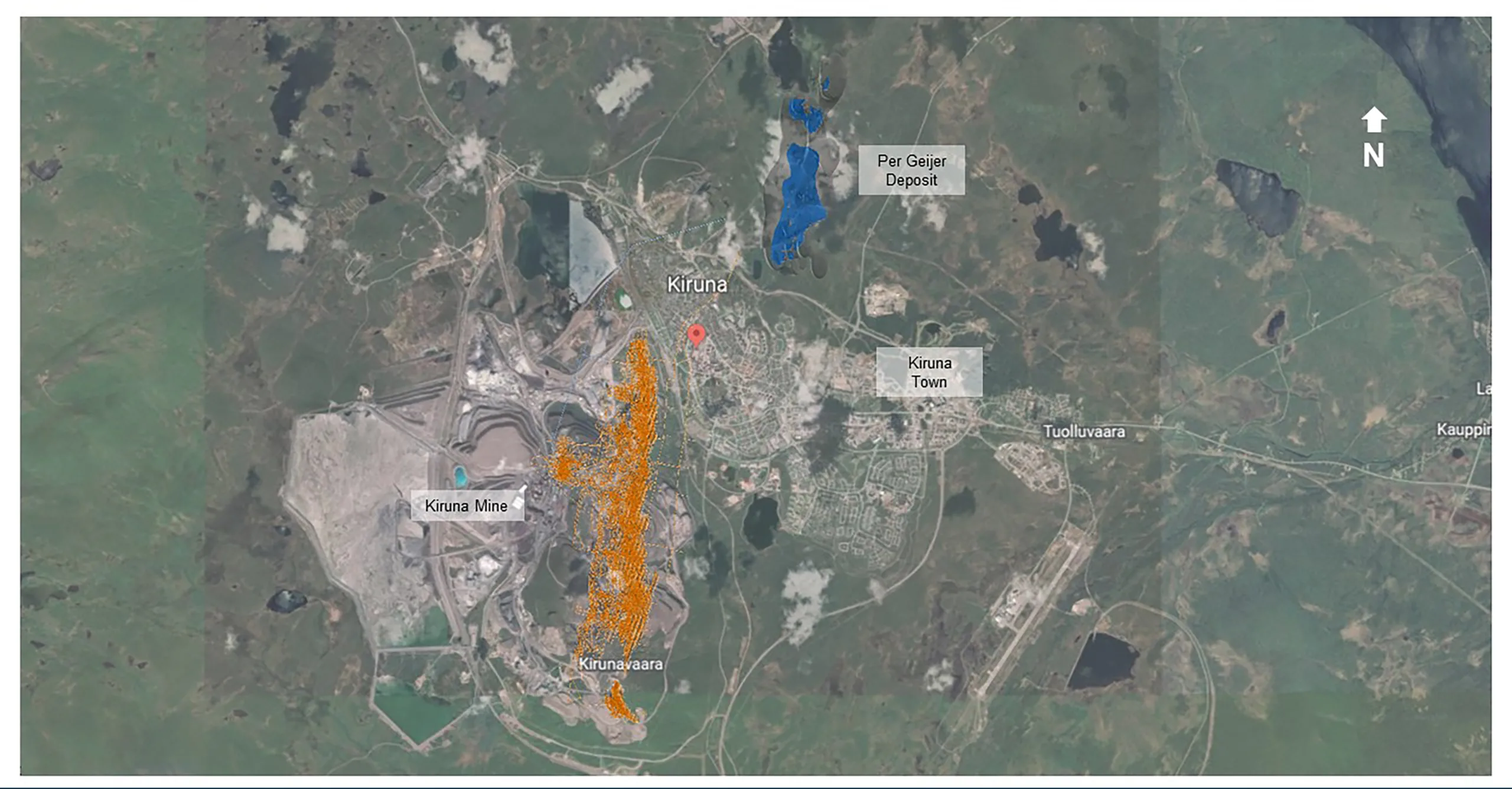
The new deposit north of Kiruna is an iron ore deposit with high levels of phosphorus – up to seven times as high as the Kiirunavaara ore that LKAB mines today – and one of Europe's largest known deposits of rare earth metals.
According to the PERC report of 2025, the mineral resources of the deposit amount to approximately 1.2 billion tonnes of iron ore and phosphorus, as well as 2.2 million tonnes of rare earth oxides.
Investigations of the deposit are still at a relatively early stage, but it has the potential to play an important role in strengthening the EU’s strategic raw materials supply.
Application for processing concession submitted
Designated as a strategic project according to CRMA
Permit reviews are underway for all three sub-projects, where they will be tested according to the Environmental Code, with the aim of "promoting sustainable development that ensures current and future generations a healthy and good environment".
If permits are granted, it is after assessment that human health and the environment will be protected against damage and inconvenience, that valuable nature is protected and that land and water are used in a way that ensures long-term good management from an ecological, social, cultural and socio-economic point of view.
To secure access to the materials necessary for Europe’s transformation, competitiveness, digitalisation and defence, the EU has identified 34 critical raw materials, 17 of which are also classified as strategic, which are covered by the Critical Raw Materials Act (CRMA) – including rare earth elements.
The CRMA is intended to ensure a secure and sustainable supply of critical raw materials for Europe by strengthening extraction, processing and recycling within the EU and diversifying imports of raw materials.
Strategic status can be granted to initiatives that are considered to be of great importance in achieving these goals. Designation as a strategic project does not mean lower requirements for environmental considerations that must be taken, but for the projects it means, among other things:
• Time-limited permit processes
• A clear point of contact that guides you through the entire process. In addition, deadlines are set for granting permits.
• Advice and support for financing opportunities
LKAB’s three strategic projects are described as an integrated strategic project because the three sub-projects have close and important connections.


Europe consumes about a quarter of the world’s raw materials but produces only three percent. Recycling is part of the solution but cannot cover the need. A benchmark in the CRMA is that the extraction of strategic raw materials should be at least 10% within the EU by 2030.
During the lifetime of the products and applications for which they are used, the raw materials are bound and therefore not available for recycling; for example, according to estimates, it will take until 2100 before recycling can account for at least half of the amount of rare earth elements that we expect Europe and the world to need by then.
At least 10% of the EU’s annual consumption should be extracted in the EU.
At least 40% of the EU’s annual consumption should be processed in the EU.
At least 25% of the EU’s annual consumption should be recycled in the EU.
No more than 65% of the EU’s annual consumption of each strategic raw material, at each relevant stage of processing, should come from a single country outside the EU.