From iron ore production to strategic minerals for Europe
LKAB is developing a new business to extract phosphorus and rare earth elements from materials already present in its iron ore production. In Luleå, an industrial park for critical minerals is taking shape. For Ulrika Håkansson, Business Manager for the Critical Minerals Project at LKAB, the initiative has taken on new significance as the geopolitical landscape has changed. Today, it is also about strengthening Europe's security of supply and resilience.
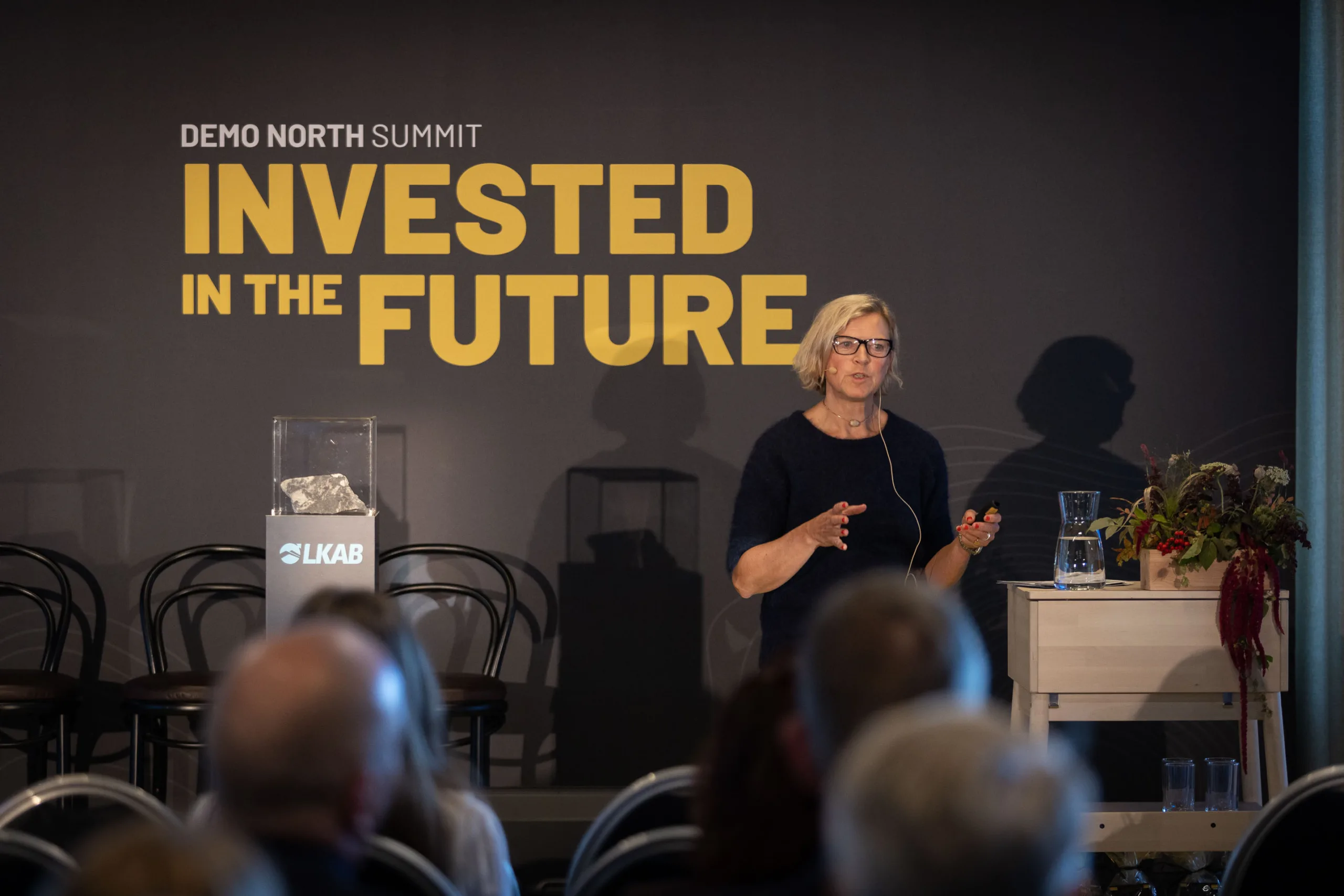
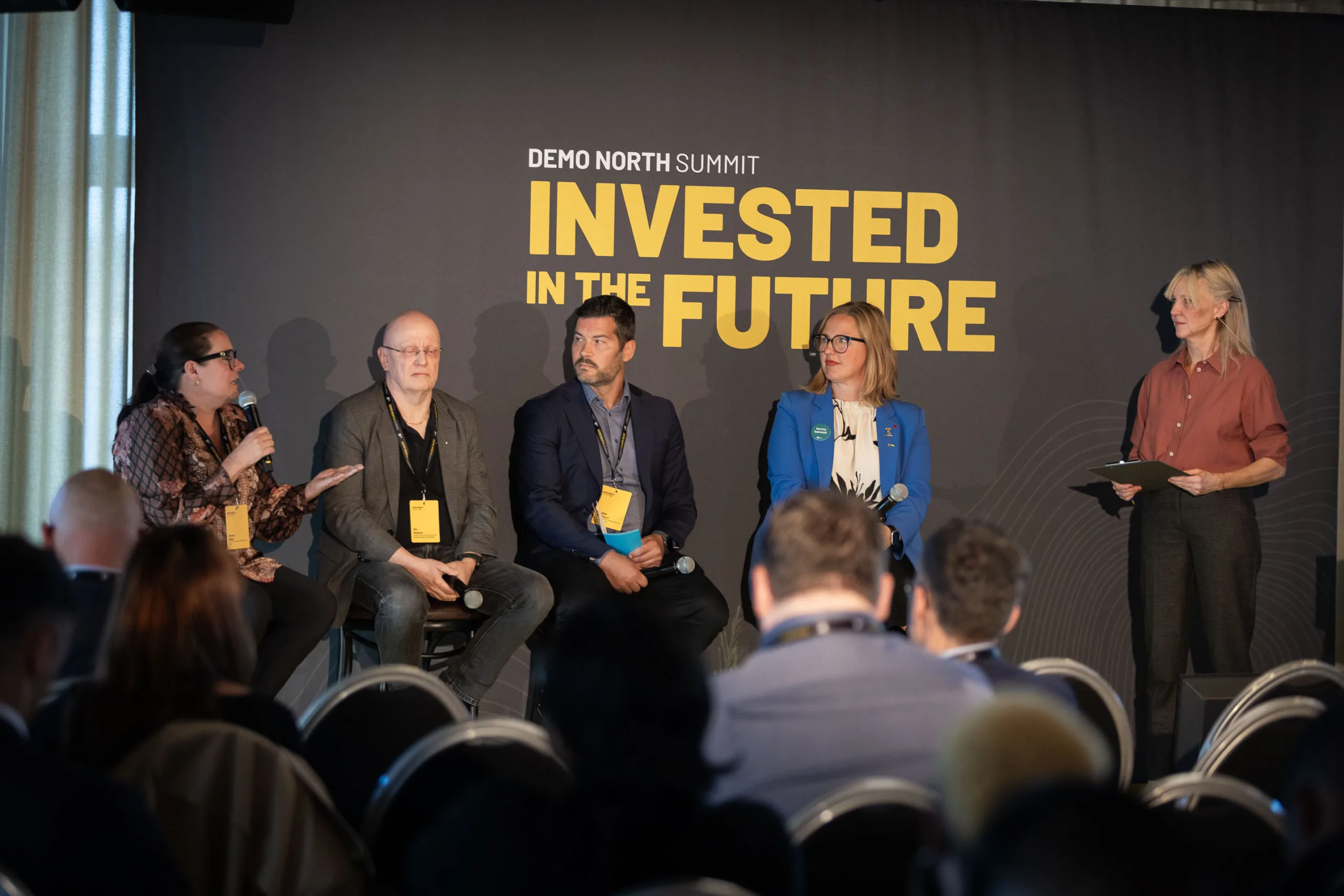
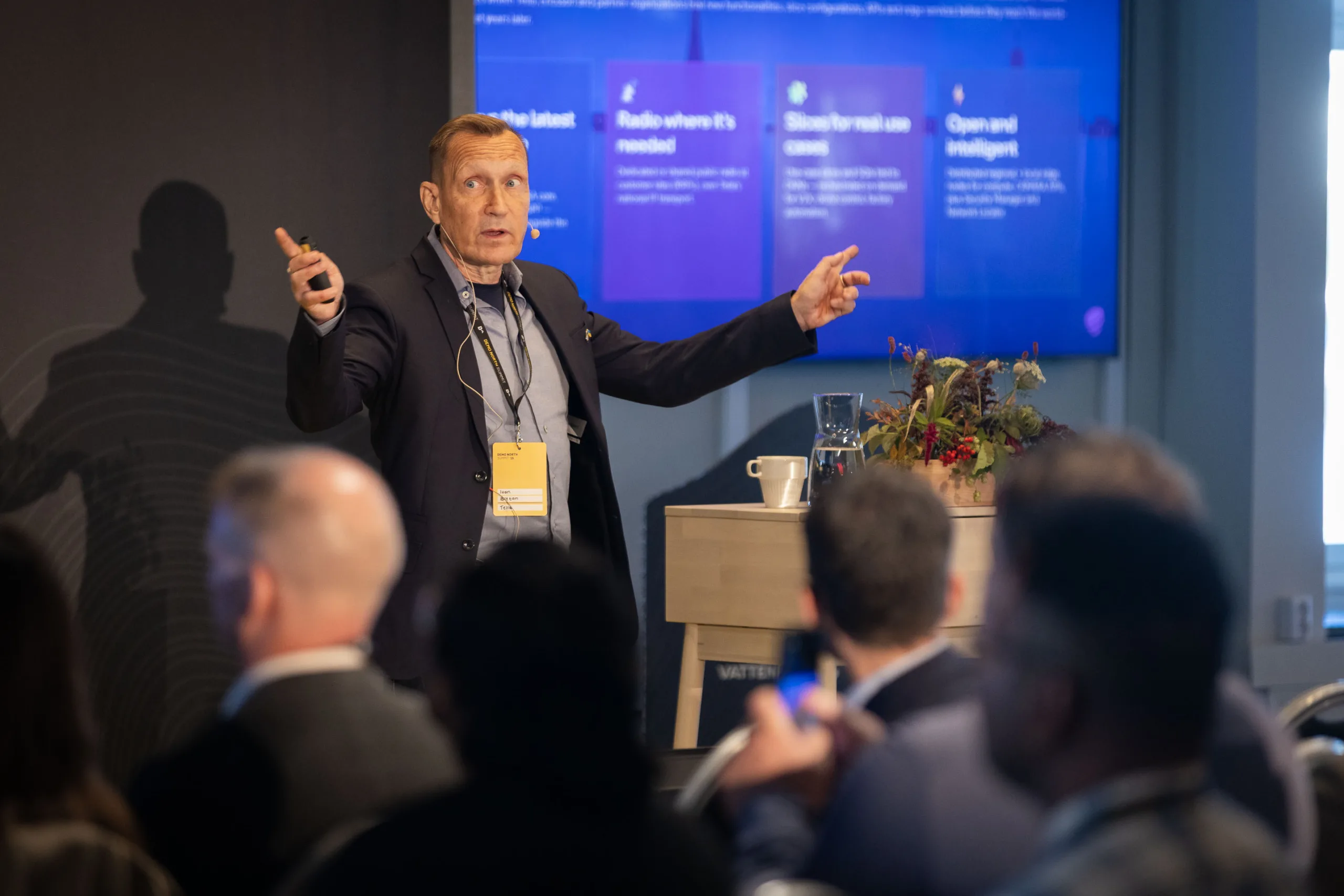
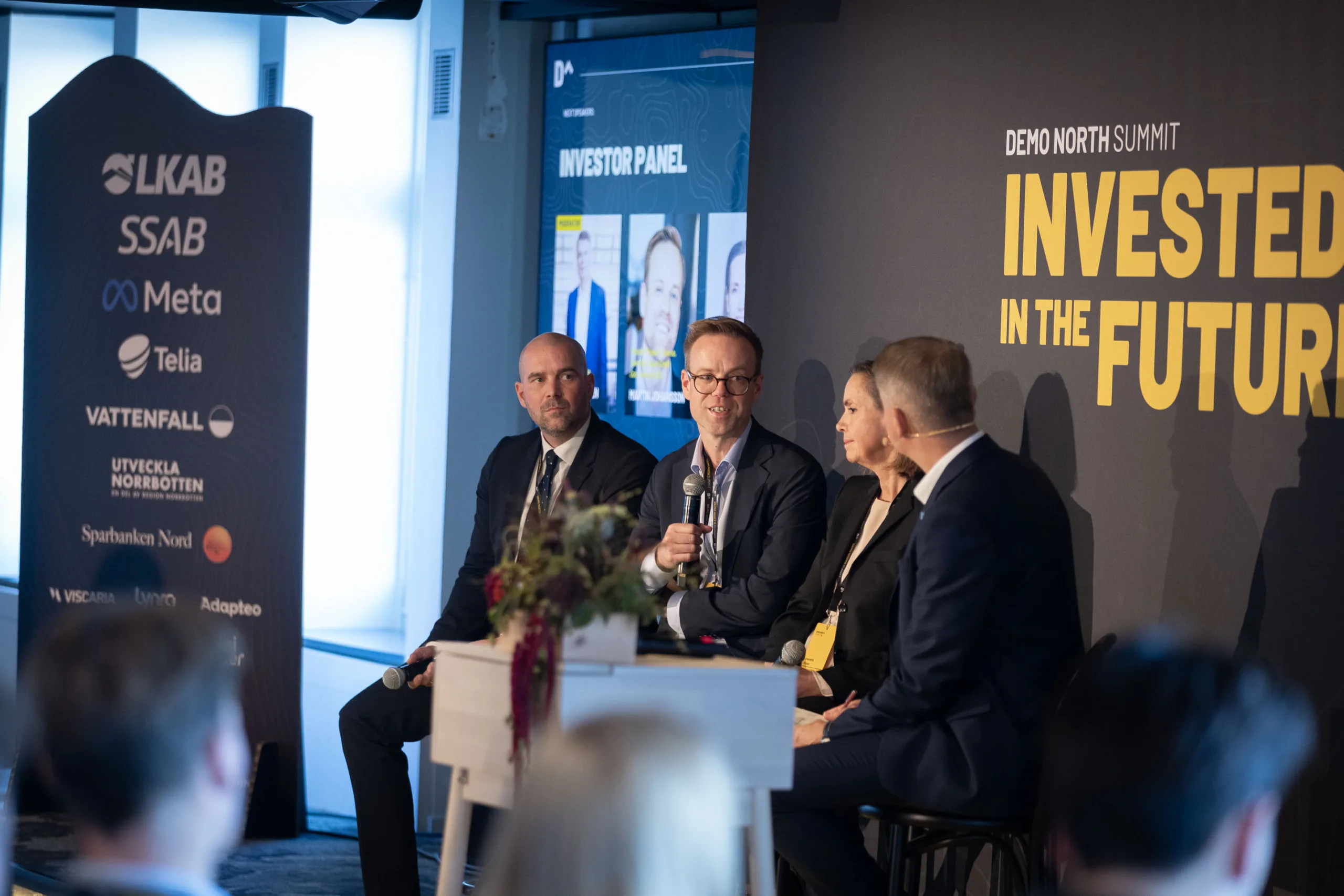
Speaking at Demo North Summit 2026 in Luleå, Ulrika Håkansson described how the circumstances surrounding LKAB’s project have changed since work began.
– When the project started, we were primarily interested in creating more value from the ore we already mine. Then came the reality of the war in Ukraine and a changing geopolitical landscape. Self-sufficiency became a much more important part of the agenda. Previously, we had extensive global value chains and a raw material supply system that worked well. The changing world order is the major difference, says Ulrika Håkansson.
Iron ore contains phosphorus and rare earth elements, among other minerals, that are not included in the iron ore pellets supplied to the steel industry.
Europe’s dependence has become a security issue
Phosphorus and rare earth elements serve different purposes, but both are essential to activities on which society depends.
Phosphorus is primarily used in mineral fertilisers and is therefore vital to food production. According to Ulrika Håkansson, Europe’s domestic supply is very limited, while imports come from countries including Russia, China, Morocco and the United States.
Europe’s dependence on China is particularly evident when it comes to rare earth elements. China has developed an extensive industry for separating and refining these raw materials.
– In the West, we have found it convenient to let China handle this. They have built up the entire value chain, from processing and separation to metals and finished magnets. But in today’s changing geopolitical landscape, it has become clear just how dependent we are on that chain continuing to function, says Ulrika Håkansson.
This dependence is particularly significant because rare earth elements are used in several sectors that are vital to society.
– Electrification accounts for the largest volumes. Then there is the security situation, with advanced electronics and military applications that rely on rare earth elements which cannot be substituted. And then there is our everyday life, with mobile phones and other things we are used to and take for granted.
– Elektrifieringen står för de stora volymerna. Sedan har vi säkerhetsläget, med avancerad elektronik och militära användningsområden där det finns sällsynta jordartsmetaller som inte går att byta ut. Och så har vi vår vardag, med telefoner och annat som vi är vana vid och tar för givet.
A new industry is taking shape in Luleå
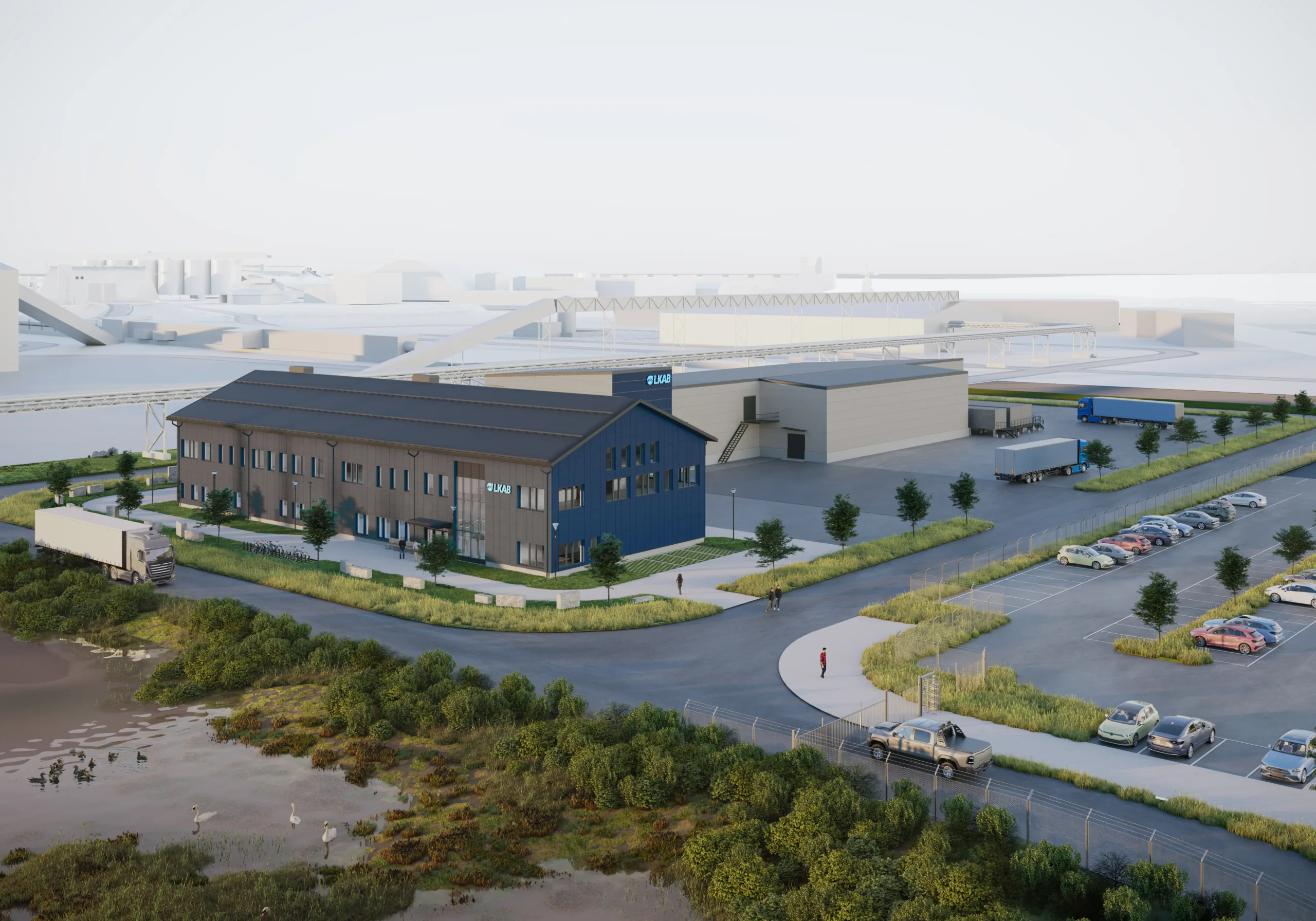
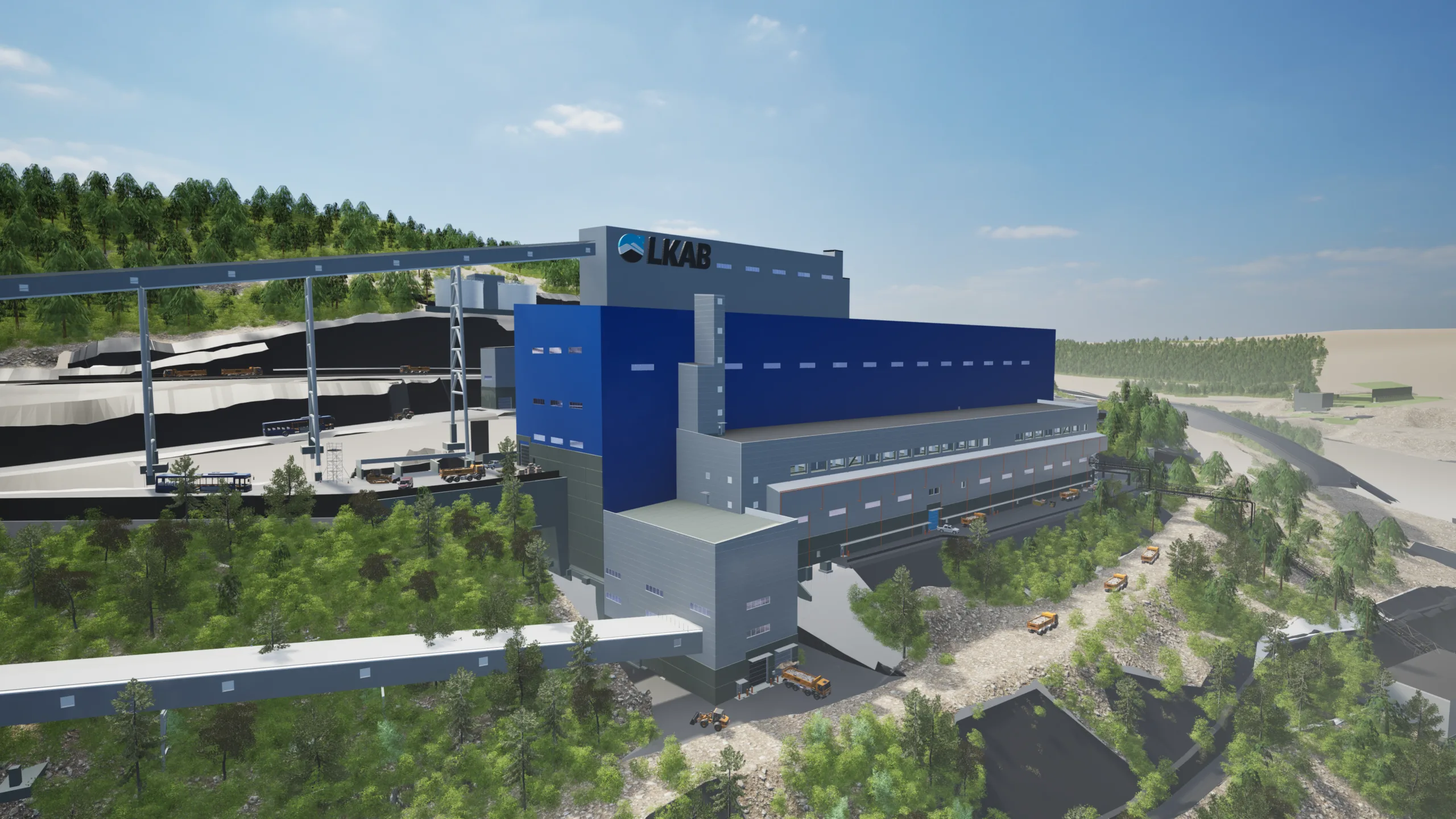
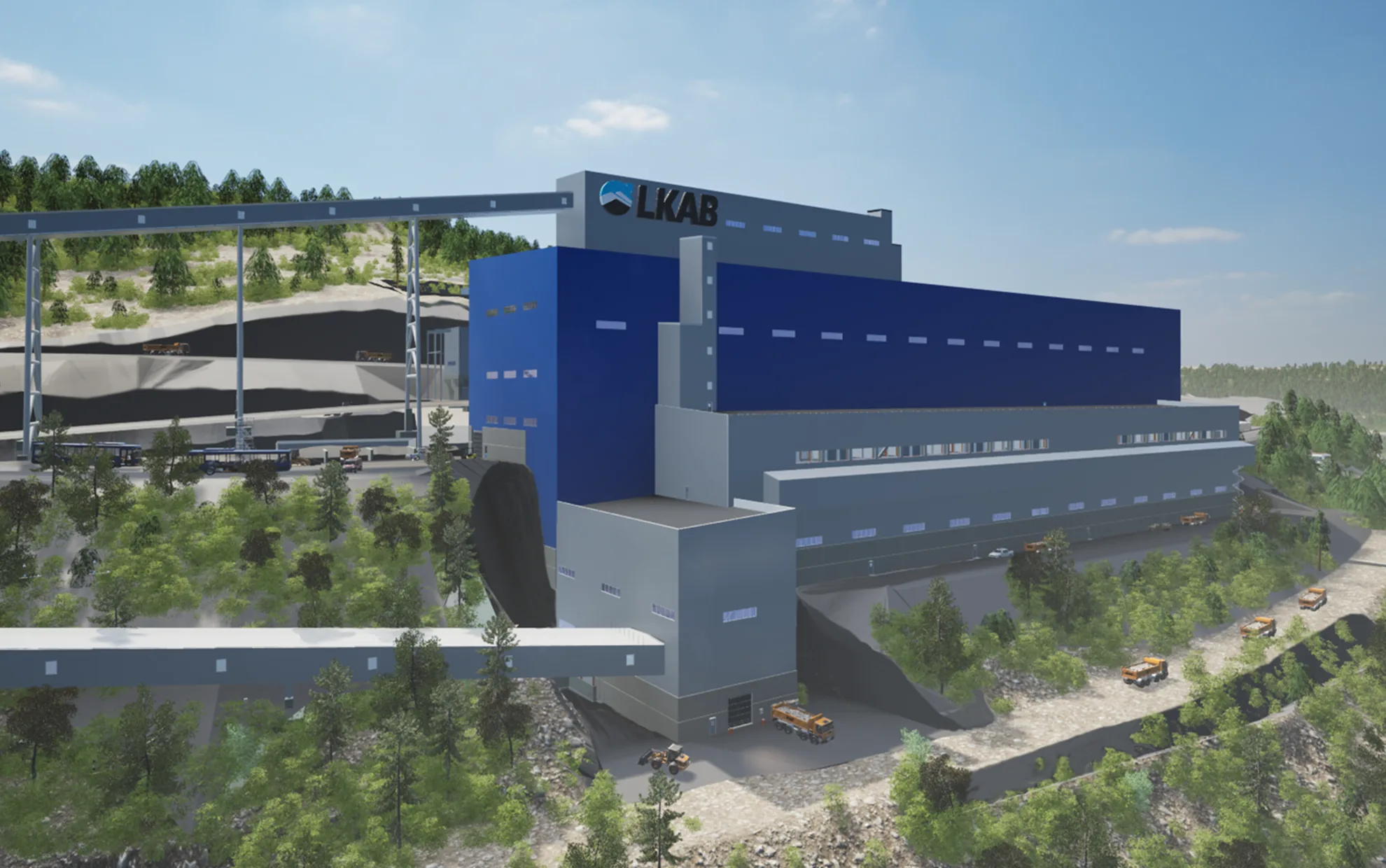
LKAB’s industrial park in Luleå is based on a circular business model. By extracting additional minerals from the iron ore it already mines, the company can begin producing critical raw materials without first having to open a new mine.
A demonstration plant is due to begin operating soon. LKAB then plans to scale up production to process material from Malmberget.
The development could also create opportunities beyond the industrial park itself. One of these concerns the future of Luleå’s district heating supply.
– We will have surplus hot water and some steam that could be integrated into the district heating system. This would allow us to contribute to investment in district heating and partly compensate for the heat that will be lost when SSAB’s blast furnace closes, says Ulrika Håkansson.
The industrial park is also expected to create approximately 500 new operational jobs. In addition, it will generate demand for deliveries, maintenance, restaurants and other services, opening up opportunities for more businesses in the region.
An investment built on collaboration
For the development to succeed, LKAB needs to work with a wide range of stakeholders. Its collaboration with Luleå Municipality covers areas such as land and infrastructure, while discussions with the Port of Luleå and the Swedish Transport Administration focus on future material flows.
Industries in the area also need to coordinate their plans. Green Industrial Forum provides one platform for this collaboration.
– We meet regularly to discuss construction schedules, contractor-related issues, safety and common rules to ensure that things work well for Luleå. It involves both major and minor issues. None of this happens by itself. You have to start by talking to each other and sharing your plans, says Ulrika Håkansson.
Collaboration with Luleå University of Technology focuses on research, education and developing the skills needed in the future. LKAB welcomes students undertaking degree projects and participates in research projects related to the circular economy.
Another important aspect is dialogue with people living near the industrial park. LKAB has begun meeting local residents to provide information about the development and address questions about how the area will change.
– In the mining communities of northern Sweden, we have an enormous impact on local society. In Luleå, LKAB has had a much lower profile, but now we are taking on a greater presence and people will notice us. It is important that we look after our neighbours, says Ulrika Håkansson.
An industry with a long-term outlook
LKAB’s plans extend beyond the first facility in Luleå. In the longer term, other mineral deposits could also become important, including Per Geijer in Kiruna.
– What we are doing now is only the beginning. The next step is Per Geijer, where we have significantly higher concentrations of apatite per tonne of iron ore. We see this as an industry that is here to stay and will continue to develop, says Ulrika Håkansson.
LKAB has been granted an exploitation concession for Per Geijer, giving the company exclusive rights to the deposit. However, this does not mean that permission to begin mining has been granted.
The applications for these minerals may also develop further. Phosphorus is primarily important for agriculture and food security, but it also has applications in areas such as batteries.
For international companies and investors, the initiative offers opportunities to become part of new value chains for critical minerals.
– When we invest in our mines, we work with long time horizons – at least 25 years. This is certainly not a short-lived venture.
LKAB’s initiative therefore brings together several of the themes at the heart of Demo North Summit: circular industry, new investment opportunities and Europe’s need for greater security of raw material supply.