LKAB receives the go-ahead for its critical minerals initiative
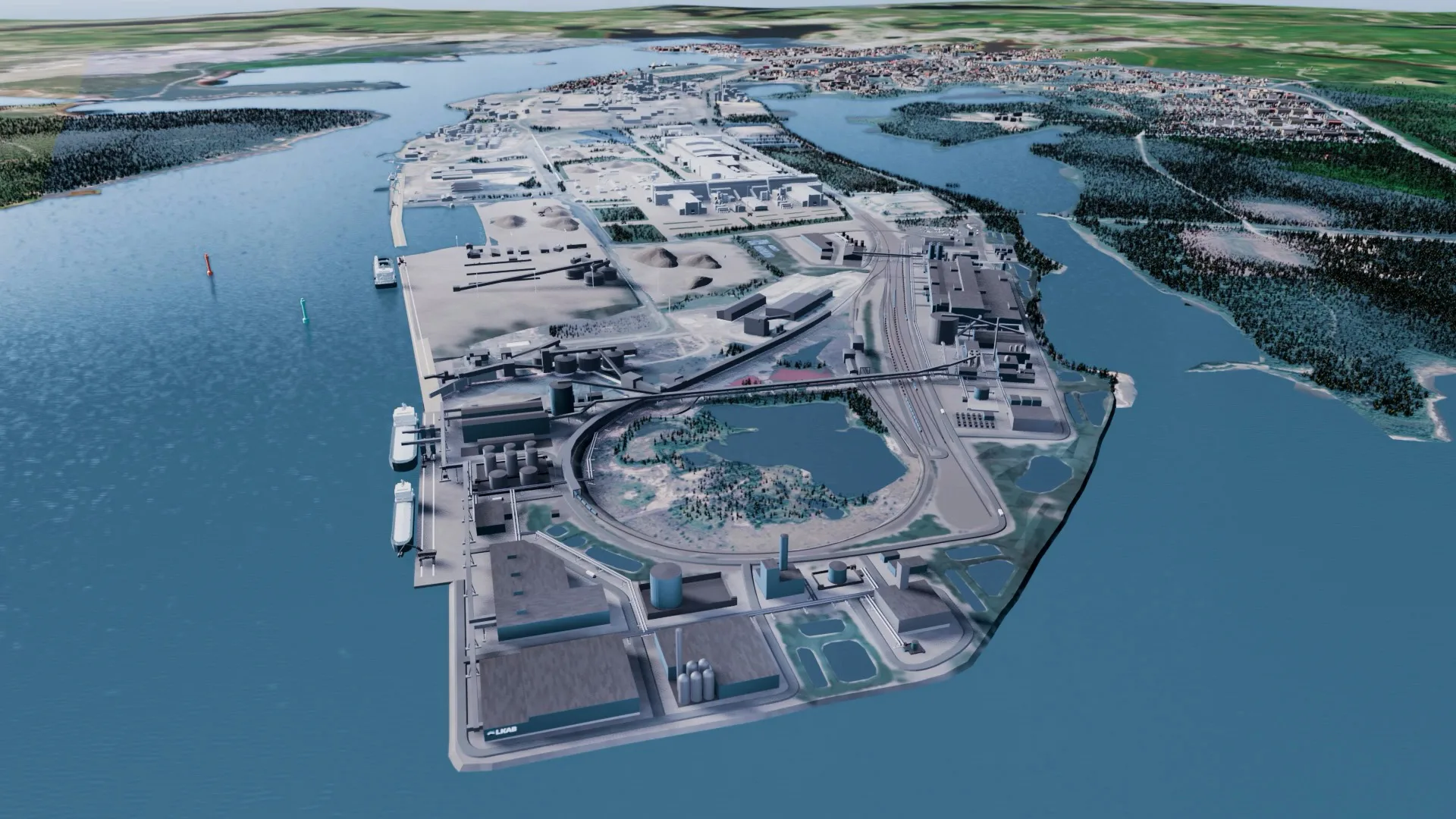
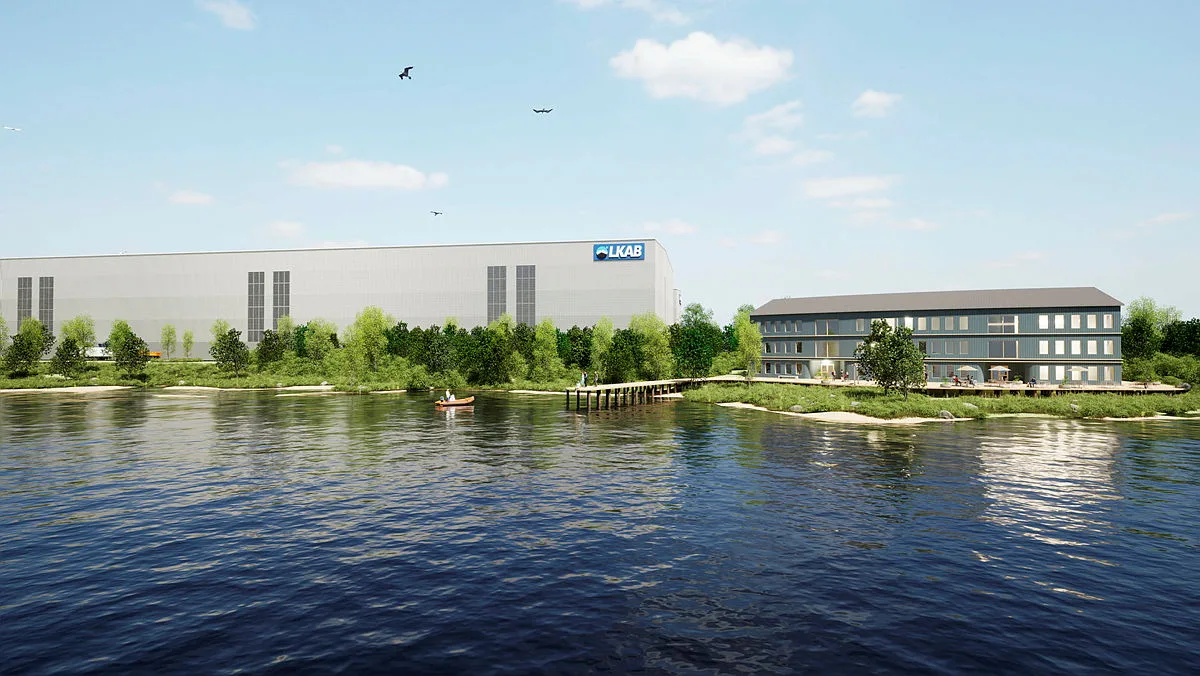
The Land and Environmental Court has granted an environmental permit for LKAB’s planned Industrial park for critical minerals in Luleå. The decision is a crucial step in enabling the extraction of rare earth elements and phosphorus – and in strengthening Europe’s access to strategic raw materials.
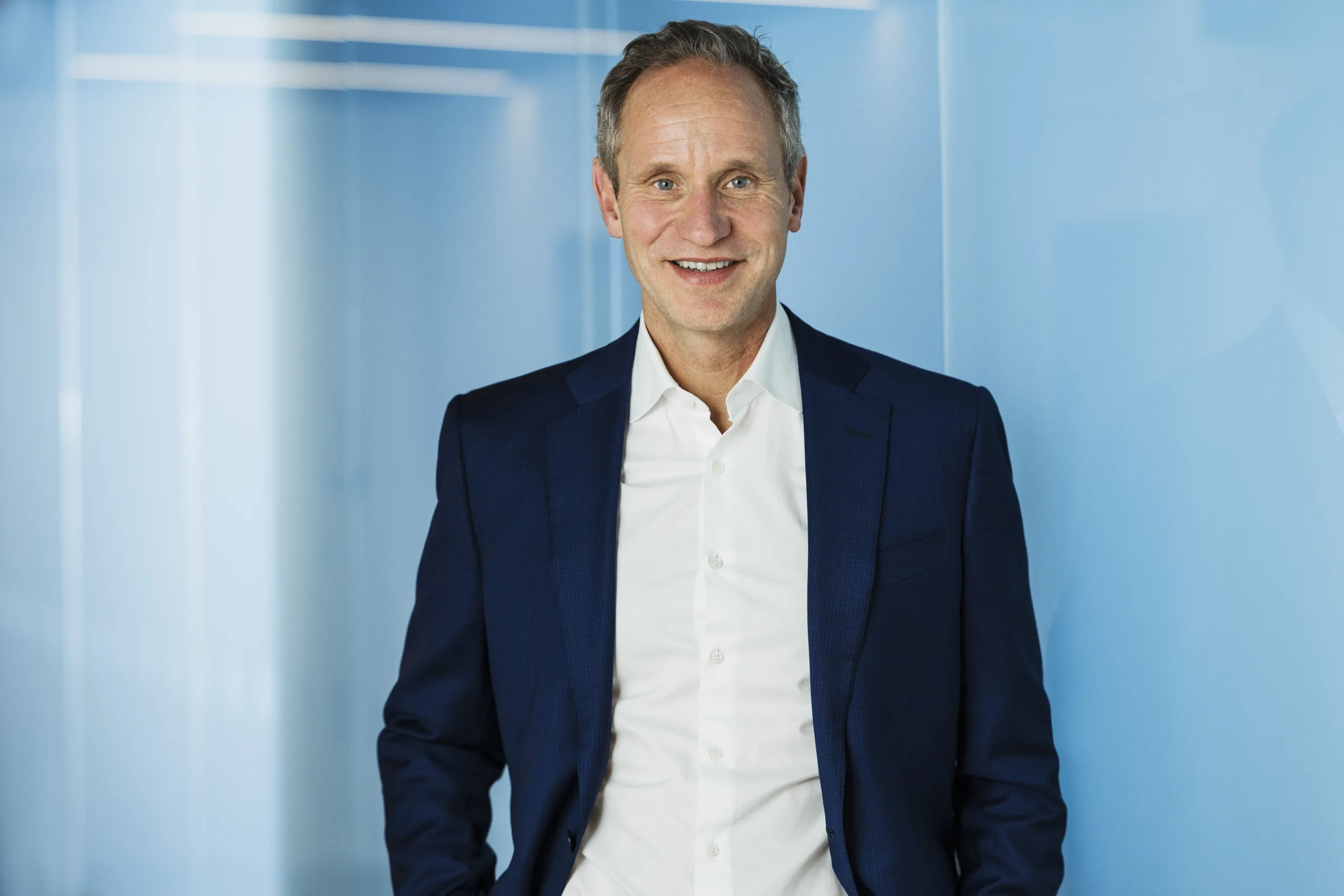
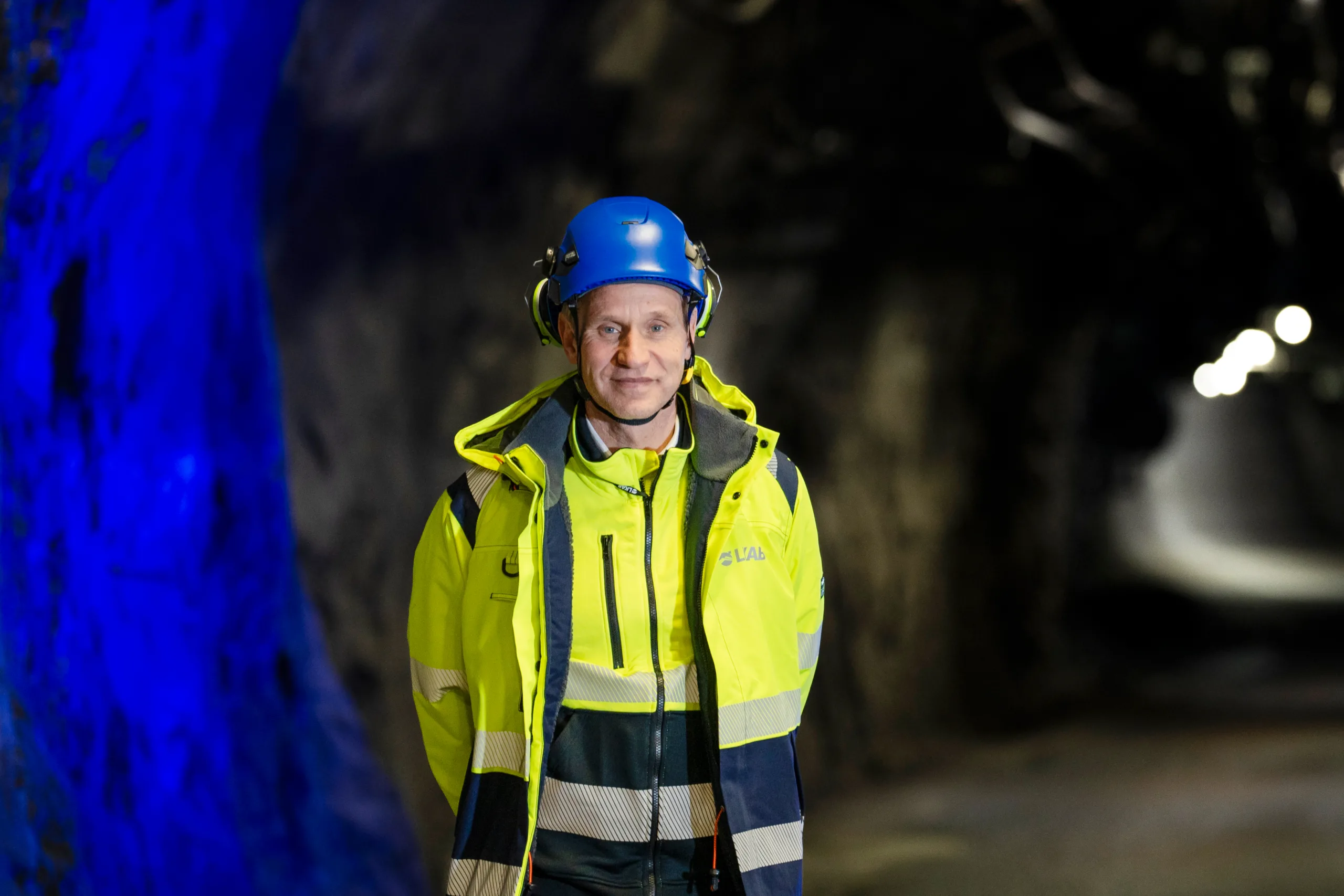
“This is a very welcome decision for LKAB, and for increased self-sufficiency in Sweden and Europe. By extracting phosphorus and rare earth elements from residual products from iron ore mining, we can strengthen our future competitiveness, whilst also helping to secure important supply chains and provide society with the critical minerals needed for the transition,” says Johan Menckel, President and CEO of LKAB.
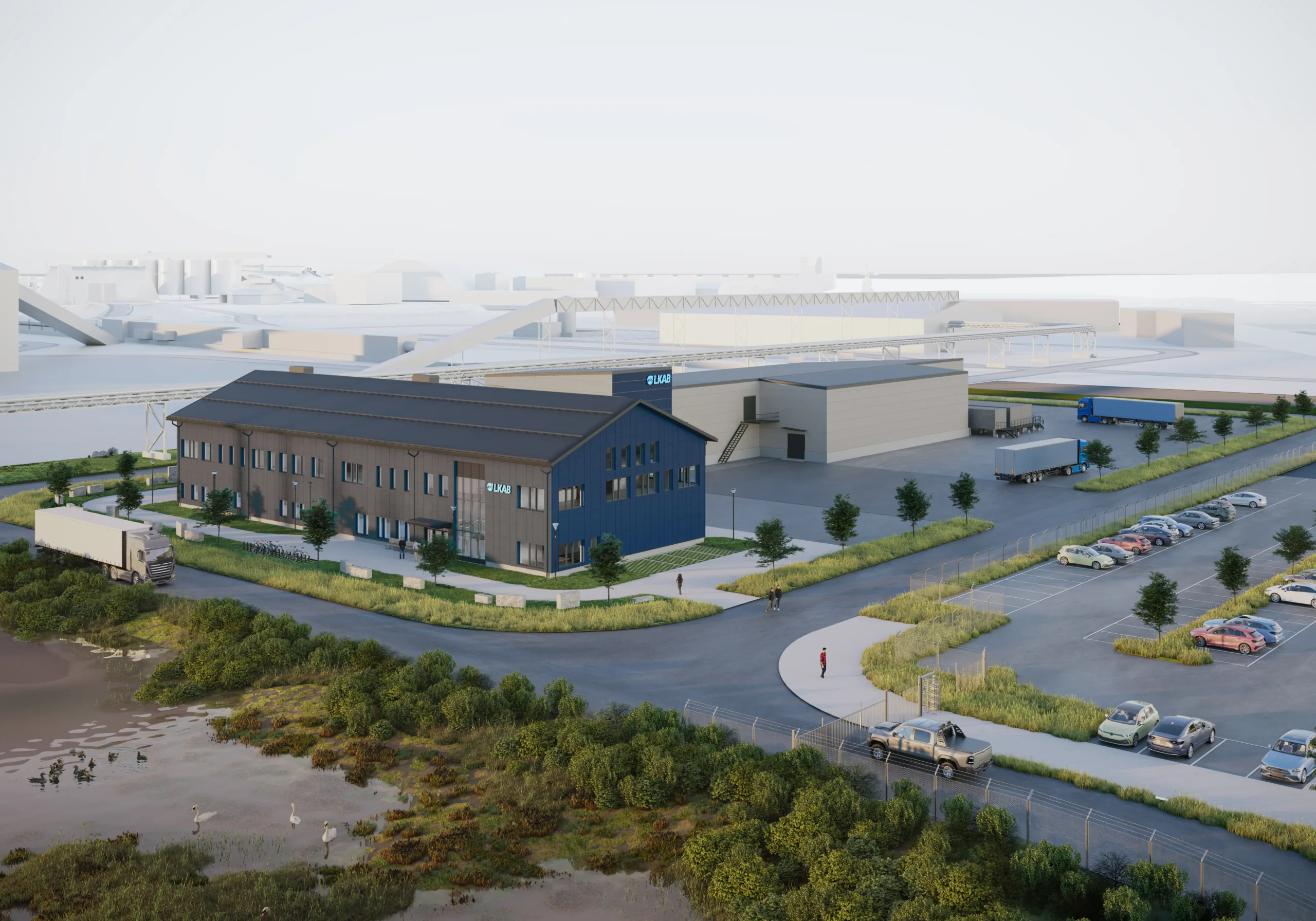
The planned Industrial park on Svartön in Luleå is part of LKAB’s ongoing transformation, in which the company is broadening its operations and creating new value from materials that are already being mined today. Phosphorus for mineral fertilisers is essential for food supply, while rare earth elements are used for the electrification and digitalisation of society – for example in manufacturing of permanent magnets for electric vehicles and wind turbines, and in the defence industry.
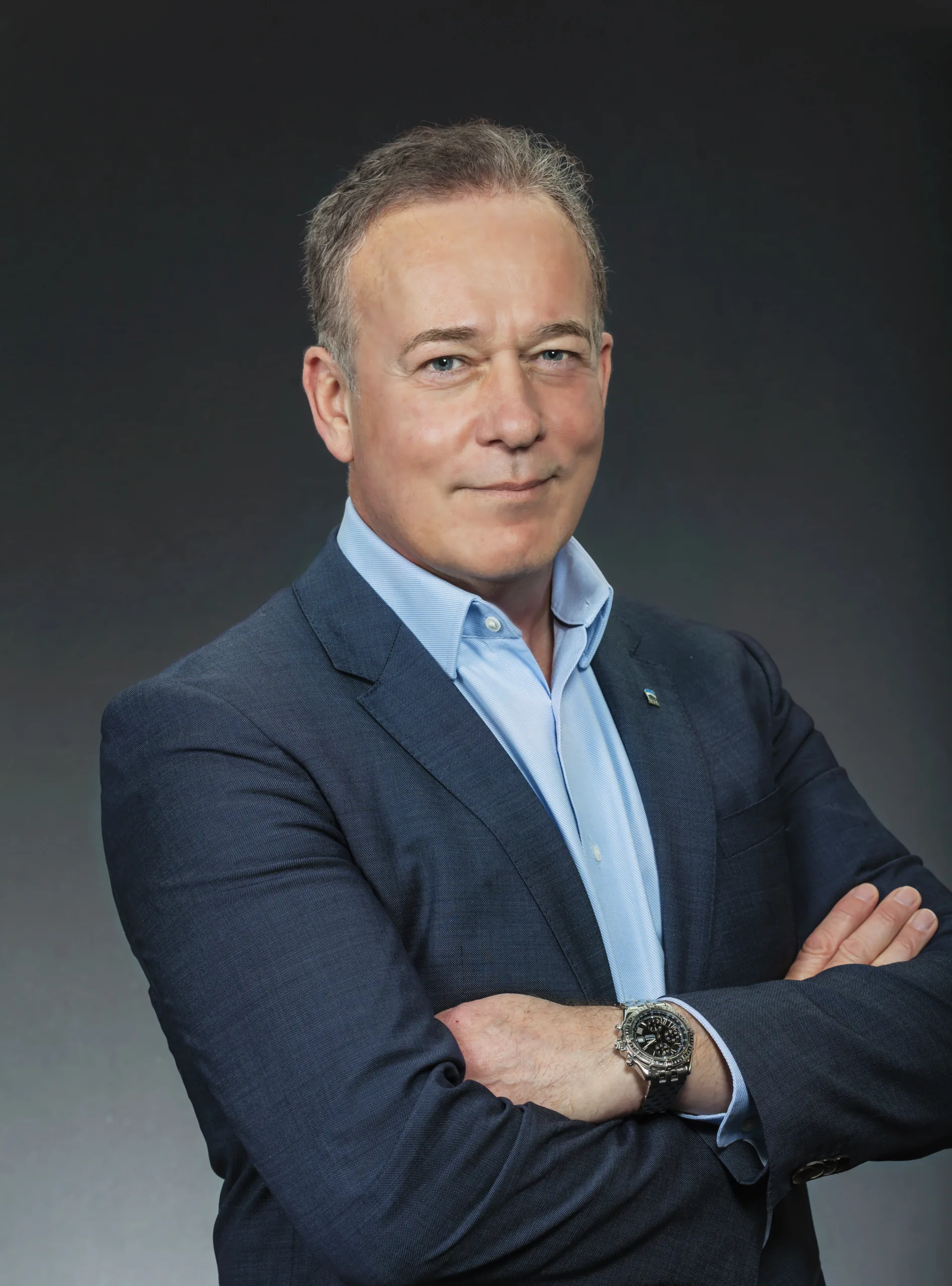
“The need is significant. Today, Europe is almost entirely dependent on imports of these strategically important and critical minerals, while demand is rising rapidly. The court’s decision is therefore very welcome news. It means we now have a crucial piece of the puzzle in place to be able to move forward with our plans,” says Darren Wilson, SVP Business Area Special Products at LKAB.
The establishment in Luleå also brings new opportunities for the municipality and the region, with the development of industrial operations, new expertise and employment opportunities in Norrbotten.
“The ruling is very welcome news for Luleå and for society as a whole. In the current geopolitical setting, it is more important than ever to secure our supply of phosphorus and rare earth elements. I share LKAB’s delight at this important first step towards future investment, more jobs and a long-term sustainable world with reduced climate emissions,” says Carina Sammeli, Chair of the Municipal Executive Board, Luleå Municipality.
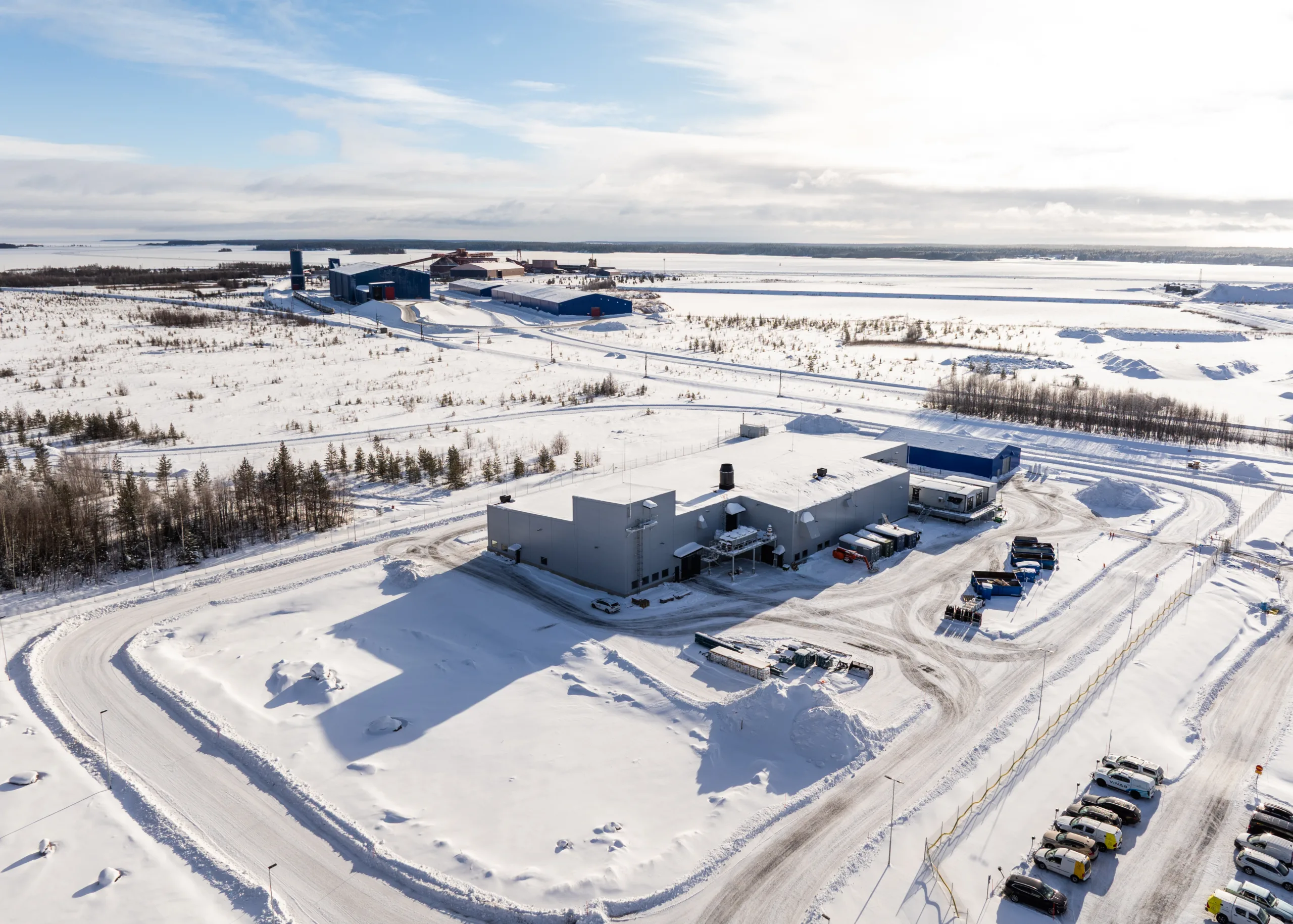
In January 2025, LKAB commenced construction of the Demonstration facility that is now being completed at the site and is expected to be operational later this year. The facility will be the first in Europe to test technology for extracting both phosphorus and all 17 rare earth elements from the residual stream of iron ore production. The results form an important part of the basis for forthcoming investment decision on full-scale production.
“The environmental permit is a necessary part, but future decisions on investment and implementation will be made on the basis of several parameters. These also include technical and market factors. We are moving forward step by step and will make our investment decision when the conditions are right,” says Johan Menckel.
Future decisions also depend on the environmental permit for LKAB’s continued operations and apatite plant in Gällivare, where the main hearing has concluded and a ruling is expected in June.
Facts about LKAB and critical minerals
- LKAB’s investment in Luleå marks the beginning of a new type of industrial activity in Sweden, where residual streams from mining production can be transformed into important resources for the societies of the future.
- LKAB plans to begin extracting critical minerals from the existing iron ore mine in Gällivare by establishing a new processing plant for apatite. The aim is to make use of flows from iron ore production that are not utilised today.
- The apatite concentrate from Gällivare will then be transported to the Industrial park in Luleå. Here, LKAB plans to produce rare earth elements, phosphorus for the production of mineral fertilisers for agriculture, and gypsum as a by-product for the construction industry.
- In October 2024, LKAB decided to invest SEK 800 million in a Demonstration plant in Luleå, which will verify and develop the process required for the extraction of phosphorus and rare earth elements. It is planned to be operational in autumn and is an important part of the work to develop the full-scale Industrial park.
- The EU classifies raw materials as critical due to their high dependence on imports and their importance for our economy and the green transition. This includes phosphorus and rare earth elements. Common to these raw materials is also that there is a high risk of supply disruptions, for example related to geopolitical risks.
- Phosphorus is mainly used to produce mineral fertilisers, and about half of the world’s food production depends on it. Europe depends on imports for 90 percent of its phosphorus, with Russia previously being a major supplier.
- Rare earth elements (REE) are used, among other things, in permanent magnets for electric vehicle motors and wind turbine generators, with China dominating the global value chain. Europe currently has no mining of these rare earth elements.
- LKAB’s future investments have been granted status as Strategic projects under the EU’s Critical Raw Materials Act. These are the mine in Malmberget, the industrial park in Luleå, and the new Per Geijer iron ore deposit in Kiruna. They are seen as important for reducing Europe’s dependencies and increasing the availability of critical raw materials.
For more information, please contact:
Mikko Viitala, Group Media Relations Manager, LKAB
tel: +46 10 144 81 63, e-mail: mikko.viitala@lkab.com
Media on-call service:
tel: +46 771-76 00 10, e-mail: press@lkab.com
LKAB is an international mining and minerals group that offers iron ore and mineral products. We are committed to developing carbon-free processes by 2045, leading the transformation of the iron and steel industry. We mine over 80 percent of all iron ore in the EU and since 1890 we have developed through unique innovations and technological solutions. In 2025, the group had more than 5,000 employees in 12 countries, and sales of about SEK 33 billion. lkab.com
This is a very welcome decision for LKAB, and for increased self-sufficiency in Sweden and Europe. By extracting phosphorus and rare earth elements from residual products from iron ore mining, we can strengthen our future competitiveness, whilst also helping to secure important supply chains and provide society with the critical minerals needed for the transition.
The need is significant. Today, Europe is almost entirely dependent on imports of these strategically important and critical minerals, while demand is rising rapidly. The court's decision is therefore very welcome news. It means we now have a crucial piece of the puzzle in place to be able to move forward with our plans.
The ruling is very welcome news for Luleå and for society as a whole. In the current geopolitical setting, it is more important than ever to secure our supply of phosphorus and rare earth elements. I share LKAB's delight at this important first step towards future investment, more jobs and a long-term sustainable world with reduced climate emissions.
Media