LKAB in Luleå – a look back at the past year
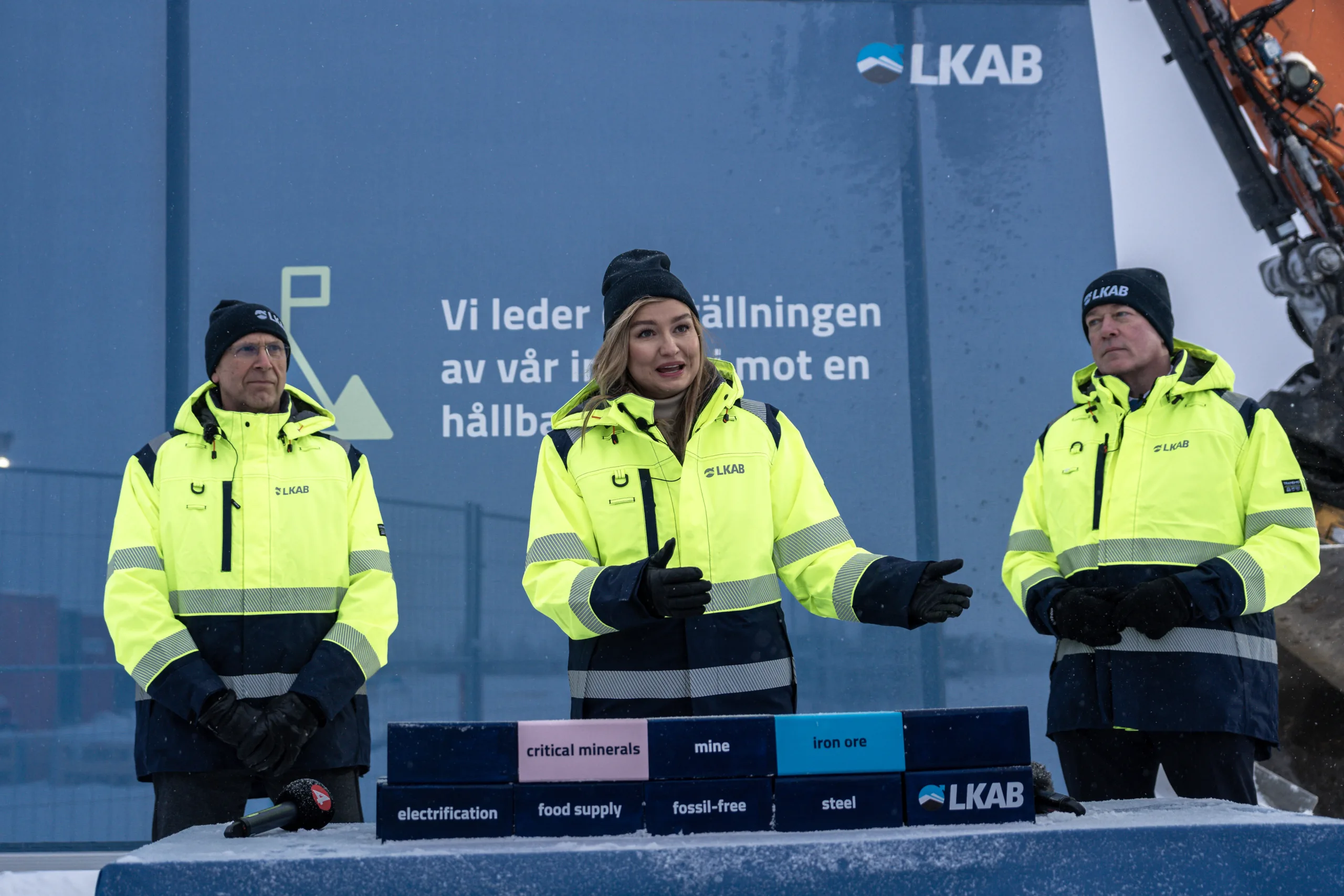
In January 2025, LKAB held a groundbreaking ceremony in Luleå for the planned industrial park. The ceremony marked the start of the next phase in the work to develop a new industrial environment for the extraction of critical minerals.
Our focus on critical minerals is based on the fact that there’s existing production in Malmberget, where the raw material apatite is extracted. The ongoing permit process also includes the apatite plant, which is a central part in all this; together, Malmberget and Luleå form the conditions for LKAB’s focus on critical minerals.
During the year since, the work has taken several important steps – in permit processes, technical development and preparations for possible future decisions.
Permit process for the industrial park in Luleå
The work on the environmental permit application for the industrial park has continued in 2025 within the framework of the formal permit process. Dialogues and additions have been carried out together with the responsible authorities and have included issues of environmental impact, water management, transport, noise and other local conditions.
The industrial park in Luleå is one of the projects within LKAB that has been designated as a strategic project according to the EU’s regulations for critical raw materials (Critical Raw Materials Act). This entails special requirements for transparency and accessible information, but also a recognition of the project’s importance for Europe’s long-term supply of important minerals. The permit process is a fundamental prerequisite for continued development and is still ongoing.
Technical development of the demonstration plant
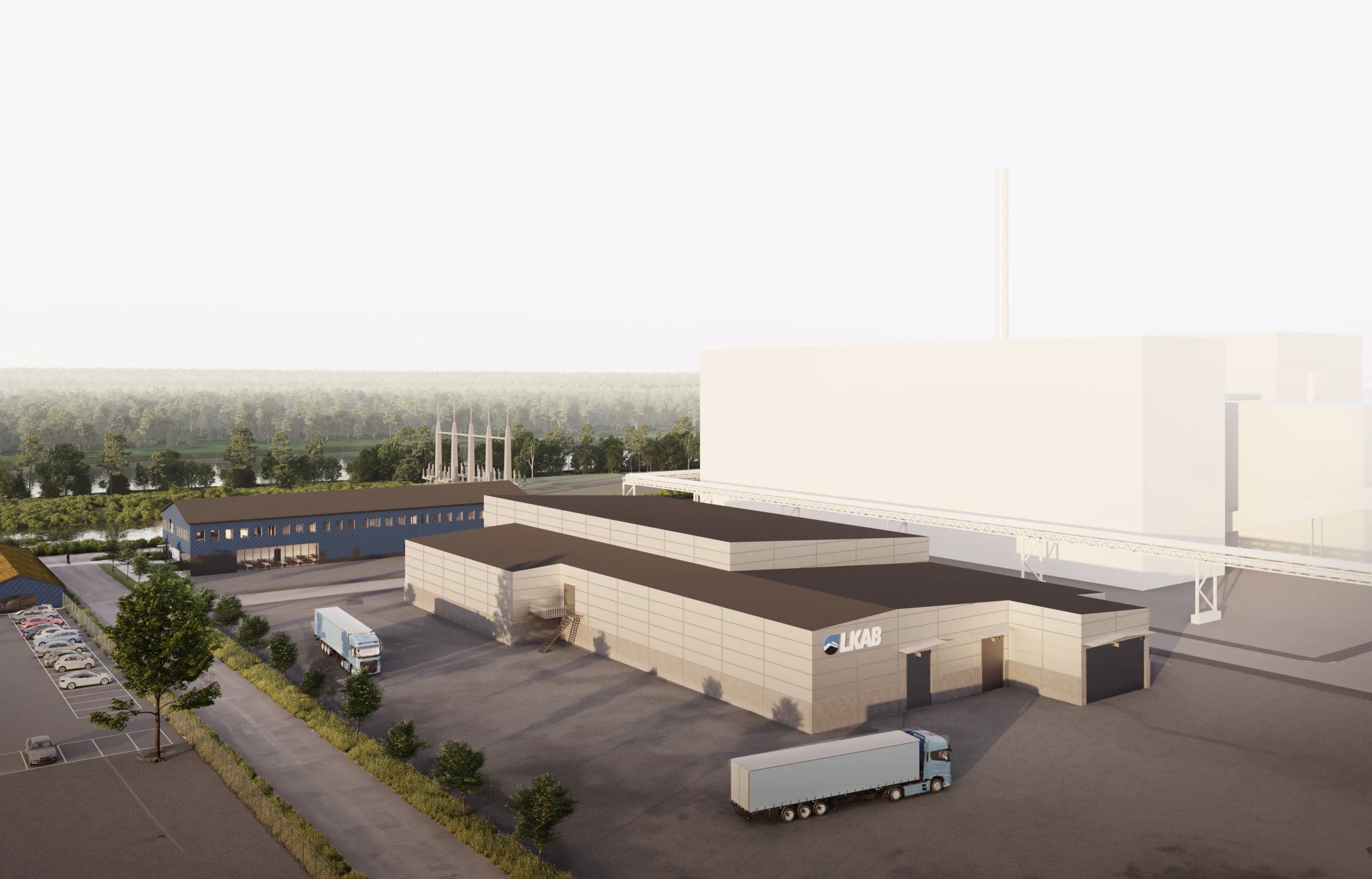
After the groundbreaking, the construction of a demonstration plant in Luleå has been continued in project form. In October 2024, LKAB’s board of directors decided to invest in the plant. During 2025, construction has continued and the building has been completed and process installations have been able to begin according to schedule.
The demonstration effort does not only include Luleå. In Malmberget, a pilot plant for apatite concentrate has been installed in the concentrating plant, which is an important part of the overall technical development for the investment in critical minerals.
During the year, the work has focused on technical development, process verification, as well as detailed design and construction. In the spring, process equipment will be installed and, according to plan, commissioning is to be carried out in the autumn. The demonstration plant is the first of its kind in Europe and aims to test and evaluate technology for the extraction of phosphorus and rare earth elements from waste streams from iron ore production in Malmfälten.
The waste stream that arises from the production of iron ore pellets contains apatite – a mineral that is rich in phosphorus and also contains all 17 rare earth elements. The work in Luleå and Malmberget builds on several years of research and pilot trials and creates a technical basis for future decisions. A possible full-scale establishment requires both granted permits and separate investment decisions.
Preparations at the industrial park on Svartön
The development of the industrial park on Svartön has continued during the year through planning, land-related issues and coordination with other actors in the area. The area has previously been intended for industrial operations and has access to existing infrastructure.
The location at the river mouth provides good logistical conditions with proximity to both the railway and the port. In parallel, work has been ongoing to investigate common infrastructure solutions, such as electricity supply, water and transport. The work is taking place in stages and is closely linked to permit processes and future decisions.
Energy and infrastructure issues
During the period, LKAB has continued to analyse energy and infrastructure issues linked to a possible future operation in Luleå. Among other things, dialogue has been held with Luleå Energi about the possible use of residual heat from future processes for the district heating network.
Issues regarding electricity supply, technical water and transport have also been further investigated together with the parties concerned. These issues are dependent on both permits and future investment decisions, but are important for creating comprehensive solutions with efficient resource use and reduced environmental impact.
Importance for supply and self-sufficiency
The planned extraction of phosphorus and rare earth elements in Luleå is an important step towards strengthening Sweden’s and the EU’s self-sufficiency. When fully developed, production is estimated to be able to correspond to approximately seven times Sweden’s need for phosphorus for agriculture and around six percent of the EU’s needs. Today, there is no mining of rare earth elements in Europe.
By utilising minerals that are currently found in residual streams from mining operations, resource utilisation can increase and dependence on imports can be reduced, while new value chains are established in northern Sweden.
Industrial establishment in the area – Duroc Rail
Concurrently with the work on the industrial park, construction has been carried out in the area. Duroc Rail’s new workshop and production facility will be completed in 2025.
The establishment is an example of how the area is gradually developing through collaboration between LKAB and other actors and shows how the industrial park can create conditions for industrial operations, jobs and long-term development.
The work in Luleå continues step by step. Future phases depend on permit processes, commissioning of the demonstration facility and future investment decisions.